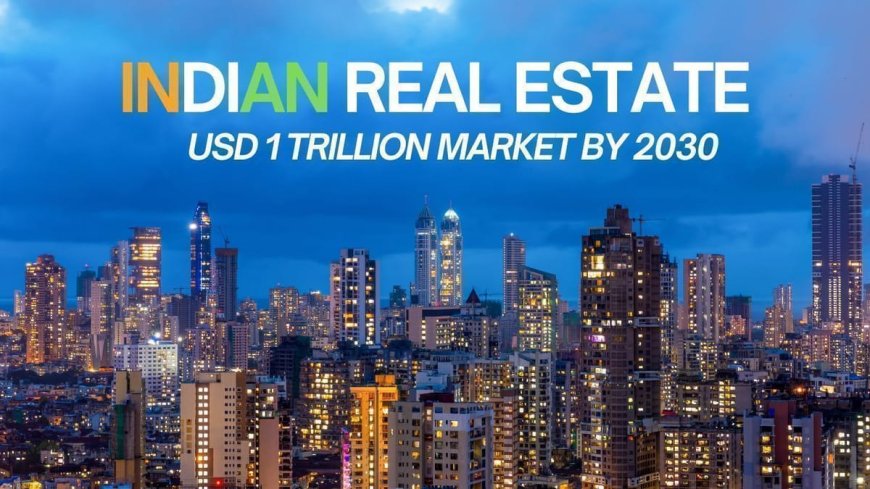
India’s real estate sector is changing rapidly. Several emerging trends in investment, technology and consumer preferences that are visible today are likely to expand and become mainstream over the next four years. By 2030, new trends could play a major role across the real estate lifecycle—from buying homes and renting properties to investing in commercial spaces, construction and building management.
1. Real Estate Expansion Around Infrastructure
Real estate development is already gaining momentum in areas witnessing new metro rail networks, expressways, airports and employment hubs. As people and companies move towards locations with better connectivity, demand for homes, offices and retail spaces is rising.
By 2030, connectivity, employment and residential development are likely to become three of the most important factors influencing real estate demand and property prices. Areas around new metro corridors, airports, regional roads and industrial corridors could witness stronger development.
2. Premium Homes Gain More Importance
The premium segment is already recording strong growth in India’s housing market. In particular, sales of homes priced at ₹1 crore and above are increasing across major cities. During the first nine months of 2025, homes priced at ₹1 crore and above accounted for around 62% of total residential sales across seven major Indian cities.
By 2030, demand could rise further for premium homes offering larger spaces, better amenities, clubhouses, wellness facilities, enhanced security and concierge services. The shift is clear: buyers are increasingly looking beyond a basic “home” and seeking a combination of lifestyle, comfort and services.
3. Senior Living Emerges as a Dedicated Housing Segment
India’s ageing population, the decline of joint-family structures and the migration of children to other cities and countries for work are driving demand for senior living. Senior living is no longer simply about building homes for elderly residents. The concept is evolving into communities that combine residences, healthcare, wellness, recreation, security and everyday support services within a single campus.
The segment is likely to grow faster in cities with strong healthcare infrastructure. By 2030, industry experts expect senior living to become a more established and mainstream category within India’s residential real estate market.
4. Rental Housing Gets a New Model
India’s rental housing market remains largely unorganised. However, rising migration among young professionals, students and employees is creating greater demand for co-living and professionally managed rental housing. Traditional landlord-tenant arrangements could increasingly give way to digital agreements, online rent payments, professional maintenance, security, utility management and other services bundled into a single offering. By 2030, living in a managed rental community could become more common than simply renting a house through a traditional landlord-tenant arrangement.
5. Data Centres, Warehouses and Logistics Parks
The rapid growth of digital consumption is creating huge demand for data-centre infrastructure and specialised real estate. At the same time, the expansion of e-commerce, manufacturing and supply chains is driving demand for warehouses and logistics parks. India may require an additional 45–50 million sq ft of data-centre real estate by 2030 to support the growth of the AI sector, according to industry estimates. As a result, institutional real estate investment—which has traditionally focused heavily on residential and office assets—could increasingly diversify into specialised assets such as data centres, warehousing and logistics facilities.
Trends That Could Reshape India’s Cities
With urbanisation continuing at a rapid pace, India’s real estate sector is likely to see sustained long-term demand. By 2030, around 38% of India’s population could be living in urban areas. Against this backdrop, industry experts expect these five trends—infrastructure-led development, premium housing, senior living, managed rentals, and specialised assets such as data centres and logistics parks—to play an increasingly important role in shaping India’s real estate market.